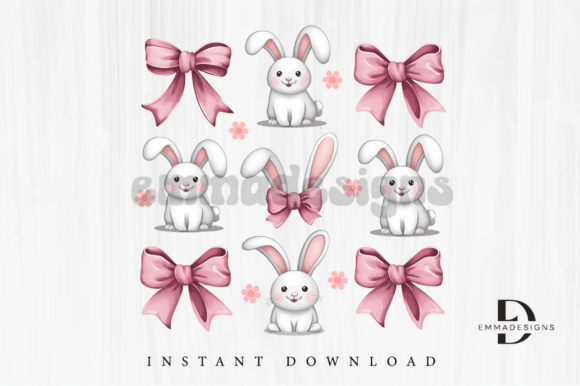
Vintage Easter Rabbit Bunny Coquette Bow
As a designer who spends more time than I care to admit staring at stitch density charts and testing fabric swatches, I approach every new machine embroidery design with a healthy dose of skepticism. The market is saturated with generic clip art disguised as digital assets, so when I pull up Vintage Easter Rabbit Bunny Coquette Bow, I am looking for one thing: viability. Can this actually be stitched? Will it hold up on a customer’s garment? Does it have the aesthetic weight to justify a purchase?
After running through the visual layers and imagining how this embroidery file translates from screen to hoop, here is my practical evaluation for small business owners, crafters, and serious hobbyists.
The First Impression: Mood and Visual Personality
The moment you load the preview, the mood is immediately established. This isn’t your standard cartoonish bunny. The "Coquette" aesthetic has taken over social media feeds, characterized by delicate bows, soft pastels, and a nostalgic, romanticized femininity. Vintage Easter Rabbit Bunny Coquette Bow leans heavily into this trend without feeling forced. It strikes a balance between playful holiday spirit and sophisticated boutique branding.
Visually, the design relies on strong silhouettes. The bow elements provide excellent anchor points for dense stitching, while the rabbit figure offers a softer, more organic counterpoint. For an Etsy seller or someone running a craft business, this duality is crucial. It allows you to market the item as both a fun seasonal gift and a stylish fashion accessory. The layout feels balanced, suggesting that whether placed on the center chest of a sweatshirt embroidery project or centered on a tote bag, it will command attention without overwhelming the viewer.
Real-World Application: Where This Design Shines
I often test designs in my head before they ever touch the needle. Here is where I see Vintage Easter Rabbit Bunny Coquette Bow performing best in real-life scenarios:
- Custom Apparel and Sweatshirts: This design has the visual weight to stand out on heavier fabrics. Imagine this embroidered on a cream or blush-colored crewneck sweatshirt. The contrast between the textured fabric and the smooth satin stitches of the bow would create a high-end look perfect for custom apparel boutiques.
- Baby and Nursery Items: The gentle theme makes it ideal for baby embroidery. A onesie, burp cloth, or crib sheet featuring this motif taps into the "coquette" trend among new parents. It feels personal and tender, elevating a simple personalized gift into a keepsake.
- Tote Bag Design and Accessories: As a tote bag design, this graphic works exceptionally well. Canvas bags are durable, and the vintage vibe fits perfectly with the eco-conscious, handmade aesthetic popular today. It serves as great branding for a shop owner selling other digital products or physical goods.
- Holiday Embroidery and Gifts: Beyond just Easter Sunday, this design bridges the gap between spring decor and general cute aesthetics. It works beautifully as a holiday embroidery piece for spring-themed home goods like pillow covers or kitchen towels.
Technical Considerations and Stitching Challenges
No design is perfect, and transparency is key for any professional reviewer. While Vintage Easter Rabbit Bunny Coquette Bow looks stunning in a digital mockup, the translation to thread requires careful planning.
Stitch Density and Detail: The coquette style often involves intricate lace-like patterns or fine ribbon details. If the original vector art contains extremely thin lines, these may not translate well through the needle. You must inspect the small details closely. If the bow loops are too narrow, they might pucker or lose definition. I recommend reviewing the stitch paths to ensure there is enough separation between elements to prevent thread breakage.
Fabric Texture and Stability: This design demands a stable base. On stretchy knits or loose-weave linen, the tension could distort the shape. Always use a proper stabilizer—cut-away for garments that need to retain their shape after washing, and tear-away for lighter, non-stretch items like tea towels. Testing on scrap fabric first is non-negotiable. It reveals how the thread colors interact with the specific hue of your chosen material.
Color Contrast: Because the design likely relies on soft pastel tones (pinks, creams, light blues), dark fabrics can swallow the detail. If you plan to embroider this on a navy cap or black apron, you will need to adjust the color palette significantly. Light threads on dark backgrounds require higher stitch density to maintain opacity, which increases the risk of fabric distortion if not managed correctly.
Where to Use Carefully
There are specific applications where this design might struggle:
- Small Hoop Sizes: If the design is large relative to a 4x4 inch hoop, you may face registration issues or limited placement options. Ensure your hoop size constraints align with the design dimensions.
- Curved Surfaces: While caps are popular, complex curves can flatten the three-dimensional feel of a bow. If the bow has significant height or volume in the design, it may look squashed on a curved hat front.
- Dense Stitch Areas: Avoid placing this design directly over existing seams, pockets, or heavy zippers. The added bulk can cause discomfort or machine errors.
Impact on Product Value and Brand Consistency
For the commercial entrepreneur, aesthetics drive sales. Vintage Easter Rabbit Bunny Coquette Bow enhances perceived value because it taps into current cultural trends. Customers are drawn to designs that feel curated and intentional. When a buyer sees a well-executed coquette bunny, they perceive the product as trendy and thoughtful.
This also aids in brand consistency. If your shop specializes in feminine, vintage-inspired goods, adding this to your catalog reinforces your niche. It signals to your audience that you understand their aesthetic preferences. Furthermore, high-quality execution builds customer trust. A clean finish with no loose threads or puckering proves professionalism, encouraging repeat purchases and positive reviews.
Practical Designer Notes Before You Stitch
Before you commit this embroidery project to production, follow these steps:
- Test in Black and White: Convert the design to grayscale to check contrast and balance. If the shapes blend together in monochrome, they may lack clarity in color.
- Check Licensing: Verify the terms of use. Are you allowed to sell finished items? Is there a limit on units? This applies whether you are selling physical goods or using the digital embroidery file in a printable mockup service.
- Inspect Corners: Zoom in on the smallest details. Tiny running stitches or fill stitches in corners often fray or look messy if not trimmed properly.
- Compare Backgrounds: Mock up the design on both light and dark fabrics digitally to anticipate real-world appearance.
In conclusion, Vintage Easter Rabbit Bunny Coquette Bow is a strong contender for spring collections. It offers a modern twist on a classic holiday symbol, providing versatility across apparel, accessories, and home goods. With careful attention to stitch quality and fabric choice, it can serve as a standout piece in any small shop product lineup.