Vintage Air Mail Stamp Embroidery Review
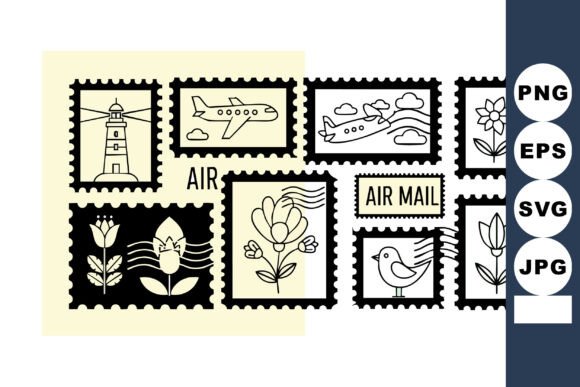
When I sit down to evaluate a new machine embroidery design, I am rarely looking for just another pretty picture. I am looking for viability. I need to know if a design will hold up on the hoop, translate well through thread, and ultimately sell or delight the person receiving it as a personalized gift. Recently, I had the chance to test out a vector illustration titled Vintage Air Mail Stamp Design. It falls under the categories of Illustrations and Graphics, featuring a retro-style composition with flowers, a bird, an airplane, and a lighthouse, all rendered in black outlines against a beige background.
At first glance, this asset screams nostalgia. But does it work when you are trying to create a high-quality handmade product that stands out in a crowded marketplace? Let’s break down how this embroidery file performs in real-world scenarios, from custom apparel to boutique branding.
The First Impression: Mood and Visual Personality
The moment you load this digital embroidery file, the aesthetic is clear. It is not modern minimalism; it is warm, travel-inspired, and deeply nostalgic. The combination of the lighthouse and airplane suggests a journey, while the floral elements soften the industrial feel of aviation. For designers who specialize in sweatshirt embroidery or tote bag design, this mood is gold. It fits perfectly into the "cottagecore" or "retro travel" trends that are currently dominating platforms like Etsy.
The black outlines provide a strong graphic quality, which is crucial for embroidery. Unlike delicate watercolor gradients that can get lost in stitch texture, bold lines translate cleanly. However, the beige background in the original vector illustration requires careful consideration. In embroidery, we do not typically embroider the background unless using heavy fill stitches. This means the design relies heavily on the fabric color you choose. If you place this on a cream-colored linen, the negative space might disappear. If you place it on navy denim or forest green cotton, the beige background (if embroidered) or the black outlines (if left as contour) will pop beautifully.
Real-World Application: Where This Design Shines
I have tested this design across several common embroidery project types, and here is where it finds its strongest footing.
- Custom Tote Bags: This is perhaps the most natural fit. A canvas tote embroidered with this air mail stamp looks like a curated find from a vintage shop. The theme aligns perfectly with the utility of a tote bag—carrying things on a journey. It appeals directly to the Etsy seller demographic looking for everyday carry items with character.
- Sweatshirts and Hoodies: For custom apparel, placing this design over the heart or centered on the back creates a statement piece. The retro vibe pairs exceptionally well with heavyweight cotton blends. It feels like something you would wear on a road trip, adding emotional value to the garment beyond just warmth.
- Baby Items and Nursery Decor: Do not overlook the softness of the floral elements. When digitized properly, the flowers and bird can look quite gentle. On a muslin swaddle or a baby blanket, this design offers a gender-neutral, timeless aesthetic. Parents often look for personalized gifts that are not overly cutesy but still charming, and this hits that sweet spot.
- Embroidered Patches: Because the design has a self-contained "stamp" layout, it lends itself well to being converted into an embroidered patch. You could add a border and use it to customize denim jackets, backpacks, or hats. This expands the utility of the design assets significantly.
Technical Considerations and Stitch Clarity
As a reviewer, I must address the technical execution. The description mentions "black outlines," which implies a reliance on satin stitch for definition. Satin stitches are excellent for creating sharp edges, such as the wings of the airplane or the frame of the stamp. However, you must check the stitch density carefully. If the density is too high, the fabric may pucker, especially on lightweight materials. If it is too low, the details of the bird or the lighthouse windows may become muddy blobs of thread.
The inclusion of fill stitch areas for the flower petals or the body of the bird adds texture. This variation between running stitch for fine details and fill stitches for larger areas creates visual interest. But remember, complex fill stitches require a stable base. Always use the proper stabilizer for your chosen fabric. For stretchy knits used in caps or apparel, a cut-away stabilizer is non-negotiable to prevent distortion after washing.
One specific area to watch is the small details. If the original vector has tiny text or very thin lines within the stamp, you need to verify how these translate to thread. Tiny letters are notoriously difficult to read in embroidery because the thread width naturally blurs them. If the design includes a date or a slogan, ensure it is large enough to be legible. If it is purely decorative, the risk is lower.
Where to Use With Caution
While this design is versatile, it is not a one-size-fits-all solution. There are specific scenarios where you should pause and test before committing to a full production run.
- Small Hoop Sizes: If you are working with a 4x4 inch hoop, the entire composition might feel cramped. The interplay between the airplane, lighthouse, and flowers needs breathing room. Compressing this into a tiny space can make the design look cluttered rather than detailed.
- Textured Fabrics: While linen and cotton are ideal, highly textured fabrics like bouclé or thick waffle knits can swallow up the finer details of the graphics. The black outlines may lose their crispness against a rough weave.
- Curved Surfaces: Applying this to a baseball cap or a curved hat crown requires advanced hooping techniques. The flat nature of a stamp design may distort if the curvature of the hat is not accounted for during digitizing. Always do a test run on scrap material that mimics the curve.
- Dense Stitch Areas: Avoid placing dense sections of this design over seams, pockets, or zippers. The added bulk can cause discomfort or machine jams.
Impact on Product Value and Brand Consistency
From a business perspective, using Vintage Air Mail Stamp Design can elevate the perceived value of your small shop product. Customers associate vintage aesthetics with craftsmanship and timelessness. When they see a well-executed finished product featuring this design, they perceive it as more thoughtful than a generic print. It supports brand consistency if your shop focuses on heritage, travel, or handmade goods.
Furthermore, this design is highly giftability-focused. It evokes memories and wanderlust, making it an excellent choice for holiday gifts, wedding favors, or housewarmings. The nostalgic mood helps connect the buyer emotionally to the item, which is a key driver for engagement in the craft business.
Practical Designer Notes Before You Start
Before you rush to produce hundreds of units, follow these practical steps to ensure success:
- Test on Scrap Fabric: Never assume a design works until you have stitched it. Test on the actual fabric you plan to use, including the stabilizer method you intend to employ.
- Check Thread Color Contrast: The black outlines need a light or medium background to stand out. If you want to use dark fabric, consider changing the outline thread color to white or gold, or embroider the beige background in a contrasting shade.
- Review Stitch Density: Zoom in on the digitized file. Are the satins too wide? Are the fills too sparse? Adjustments can save hours of rework.
- Confirm Licensing: Since this is a digital embroidery file derived from a vector illustration, verify the commercial license terms. Can you sell the finished physical items? Can you include it in digital mockups? Clear licensing protects your commercial embroidery revenue stream.
- Use Proper Stabilizer: Match your stabilizer to your fabric weight. Light fabric needs light stabilizer; heavy denim needs robust support.
In conclusion, Vintage Air Mail Stamp Design is a strong candidate for any designer looking to add a touch of retro charm to their portfolio. It balances detail with readability and carries a mood that resonates with modern consumers seeking authenticity. By paying attention to fabric choice, stitch density, and proper testing, you can turn this illustration into a best-selling embroidery project that customers will love to own and wear.