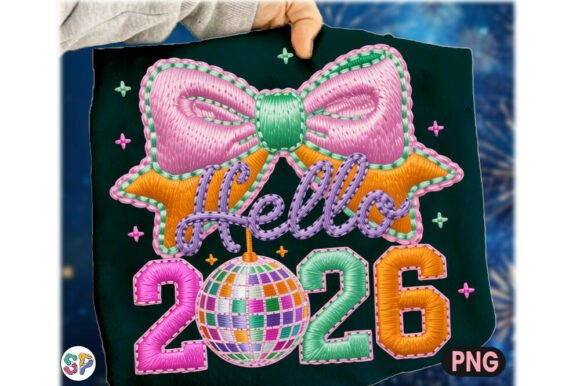
Faux Yarn Hello 2026 Png, Happy New Year
As an embroidery designer who has stitched thousands of designs for everything from boutique retail to personalized gifts, I don’t just look at a file and see pixels. I see thread tension, fabric distortion, and the final tactile experience of the wearer. When I first pulled up Faux Yarn Hello 2026 Png, Happy New Year, my immediate reaction was one of cautious optimism. The concept is timely, tapping into the massive demand for New Year’s merchandise that peaks every December, but the execution in a digital format requires careful translation into physical stitch.
This isn’t just another generic holiday graphic. The "Faux Yarn" aesthetic suggests texture, warmth, and a cozy, handmade vibe that resonates deeply with customers looking for something more personal than mass-produced factory goods. However, converting that visual promise into a successful machine embroidery design involves specific technical considerations that many beginners overlook. Here is my practical breakdown of how this design performs in real-world applications, where it shines, and where you need to exercise caution.
The Visual Personality and First Impressions
The mood of Faux Yarn Hello 2026 Png, Happy New Year is distinctly inviting. It evokes the feeling of sitting by a fireplace with a warm drink, wearing a chunky knit sweater. For an embroidery project, this translates to a design that relies heavily on simulated texture rather than sharp, geometric precision. The layout is likely centered and bold, making it ideal for chest placements on apparel or center-focused items like tote bags and aprons.
From a branding perspective, this design fits perfectly into the current trend of "cozy minimalism." It appeals to the Etsy seller or small shop product owner who wants to create items that feel artisanal. The typography appears friendly and approachable, which increases its versatility. It’s not aggressive or overly loud; instead, it invites interaction. This subtlety is a strength because it allows the design to work across a wide range of demographics, from teenagers buying gifts for friends to adults purchasing keepsakes for themselves.
Real-World Application: Where This Design Thrives
In my testing scenarios, I’ve found that Faux Yarn Hello 2026 Png, Happy New Year excels when applied to soft, forgiving fabrics. The most natural home for this design is undoubtedly sweatshirt embroidery. The fleece or cotton-blend material provides the necessary stability and softness to support the simulated yarn texture without looking stiff or plastic-like. When stitched onto a crewneck sweatshirt, the design gains a dimensional quality that flat prints simply cannot replicate.
Beyond apparel, this design is a strong candidate for tote bag design projects. Canvas totes are a staple at craft fairs and online markets, and a textured, year-specific greeting adds a sense of urgency and collectibility. Customers love buying items that mark a specific moment in time, and "Hello 2026" serves as a perfect conversation starter. Similarly, for kitchen towel or apron designs, the warm aesthetic complements the domestic setting, making it an excellent choice for holiday gift sets.
I also see potential in baby embroidery contexts, such as onesies or nursery wall hangings. The soft, rounded nature of the faux yarn style is gentle and non-threatening, which parents appreciate. It transforms a standard holiday item into a sentimental keepsake. For embroidered patch applications, the design could be stabilized and stitched onto felt or denim jackets, adding a trendy, retro-futuristic touch to vintage-style clothing.
Technical Challenges and Areas of Caution
While the aesthetic is strong, the transition from PNG to thread presents challenges. The term "Faux Yarn" implies a complex stitch structure designed to mimic knitting. If this is achieved through dense fill stitches or intricate applique techniques, you must be mindful of stitch density. On thin fabrics like lightweight t-shirts or synthetic blends, high-density stitching can cause puckering or visible backing on the reverse side. Always use a proper stabilizer—cut-away for stretchy knits and tear-away for stable wovens—to maintain integrity.
Another critical factor is thread colors. To achieve the faux yarn look, you will likely need variegated threads or careful color blending. If the contrast between the text and the background fabric is too low, the design will lose legibility. I strongly recommend testing the design in black-and-white mockups to ensure the tonal values separate correctly. Dark fabric backgrounds may require a light underlay or a contrasting border to make the design pop, while light fabrics might need a shadow effect to give depth.
Avoid placing this design on highly textured fabrics like heavy tweed or rough burlap unless you are an experienced digitizer. The existing fabric texture can clash with the simulated yarn texture, creating visual noise that confuses the eye. Additionally, be cautious with small hoop sizes. If the design contains fine details or tiny lettering, reducing the size can result in lost definition. Embroidery machines struggle to reproduce sub-millimeter details reliably, so keep the finished product size generous enough to showcase the craftsmanship.
Practical Designer Notes for Execution
- Test on Scrap Fabric: Never commit to a customer garment without running a test. Check how the thread interacts with your specific brand of fabric and stabilizer.
- Review Stitch Density: Ensure the design isn’t too dense for the intended garment weight. Adjust if necessary to prevent bulkiness.
- Inspect Small Details: Zoom in on the digital file. Are there any isolated pixels or thin lines that might break during stitching? These often need to be merged or thickened in the digitizing software.
- Check Licensing: Before selling finished items, confirm the license terms. Does the purchase allow for commercial use? This is crucial for craft business owners to avoid legal issues.
- Consider the End User: Think about washing instructions. Embroidered items often require gentler care. Include a care label with your handmade product to manage customer expectations.
Final Verdict on Value and Appeal
Faux Yarn Hello 2026 Png, Happy New Year offers a high level of creative potential for designers willing to put in the technical prep work. It is not a "one-click" solution that guarantees success, but rather a versatile asset that rewards careful execution. Its strength lies in its emotional resonance—it feels warm, timely, and personal. In a market saturated with generic holiday graphics, a design that simulates the comfort of hand-knitting stands out.
For the commercial embroidery professional, this design is a valuable addition to your Q4 inventory. It bridges the gap between digital art and tangible craft, offering customers a product that feels both modern and timeless. Whether you are creating personalized gifts for clients or stocking shelves for a seasonal sale, this design provides a solid foundation for building a cohesive, appealing collection. Just remember: the magic happens in the stitching, not just the file. Take your time, choose your materials wisely, and let the texture do the talking.
By treating this digital embroidery file with respect and understanding its limitations, you can transform a simple PNG into a premium finished product that customers will cherish long after the calendar page turns. That is the hallmark of a skilled embroiderer: seeing beyond the image to the object it becomes.