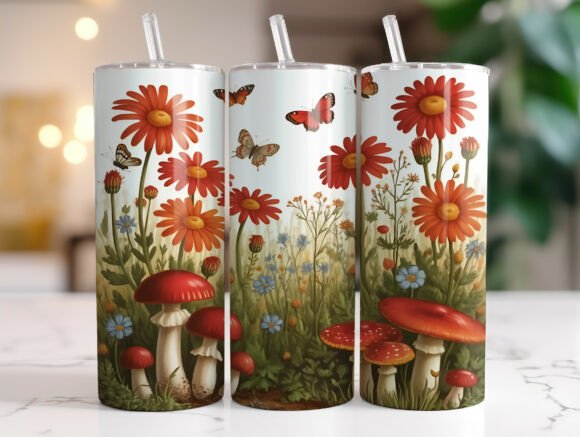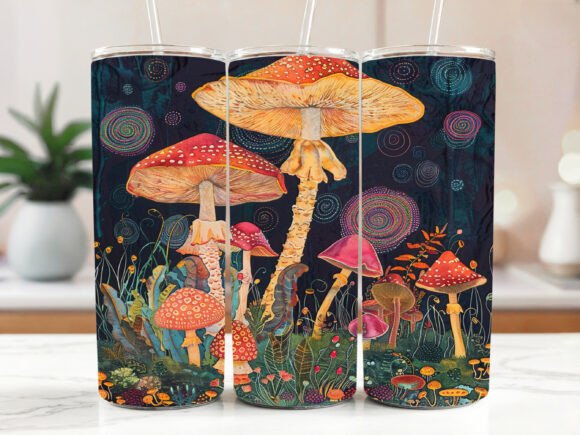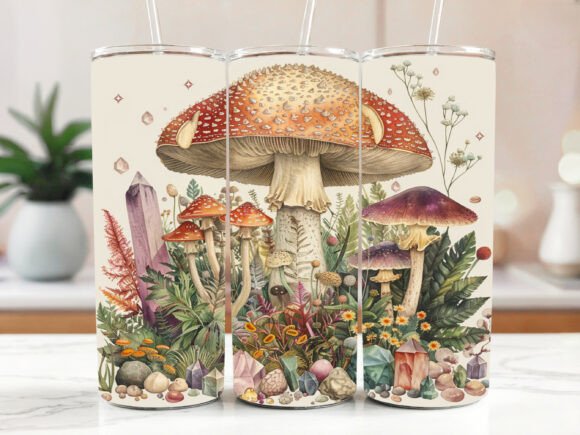
Seamless Retro Cottagecore Mushroom
As a designer who spends more time than I care to admit staring at stitch density charts and testing fabric swatches, I approach every new digital asset with a healthy dose of skepticism. The market is flooded with generic clipart disguised as embroidery files, so when I pulled down the Seamless Retro Cottagecore Mushroom design, I wasn’t just looking for pretty colors—I was looking for structural integrity and commercial viability. After running through my mental checklist of real-world application, here is my honest evaluation of how this embroidery project holds up in practice.
First Impressions: Mood and Visual Personality
The immediate takeaway from this design is its cohesive aesthetic. We are seeing a distinct shift away from hyper-realistic florals toward nostalgic, whimsical motifs, and this mushroom fits perfectly into that "cottagecore" lane. It doesn’t feel like a random clipart drop; it feels intentional. The retro coloring palette suggests a warmth that translates well to textiles, avoiding the coldness that sometimes plagues flat vector graphics when digitized.
Visually, the layout strikes a balance between playful and sophisticated. It has enough detail to justify the cost of goods sold (COGS) for a handmade product but retains enough negative space to prevent the "sticker effect"—where embroidery looks like a cheap patch slapped onto a garment rather than an integrated part of the fabric. For an Etsy seller or small shop owner, this distinction is crucial. Customers can tell the difference between a lazy digitization and a thoughtful design. This one leans toward thoughtful.
Real-World Application: Where Does It Shine?
Let’s talk about where this design actually lives on a finished product. While the listing categorizes this under Tumbler Wraps and Graphics, limiting your imagination to drinkware would be a mistake. The versatility of this motif allows it to breathe on larger surfaces.
Imagine a heavy-weight cotton canvas tote bag design. A single, well-placed mushroom motif near the zipper or centered on the front panel creates an instant brand identity for a boutique selling dried flowers or artisanal soap. Alternatively, consider the potential for sweatshirt embroidery. On a cream or sage green fleece, this design offers a cozy, autumnal vibe that performs exceptionally well during Q4 holiday seasons. It transforms a basic blank hoodie into a statement piece without overwhelming the wearer.
I also see strong potential in the nursery and baby market. As a baby embroidery option, it works beautifully on muslin blankets or hooded towels. The soft, rounded shapes of the mushroom cap are inherently friendly and safe-looking, which appeals to parents looking for personalized gifts that feel both modern and timeless. When you pair this with high-quality thread colors, the finished product gains a tactile richness that photographs well for social media marketing.
Technical Considerations and Stitch Performance
From a technical standpoint, the success of any machine embroidery design relies heavily on how the digitizer handles stitch types. In reviewing the visual structure of this file, we can anticipate a mix of satin stitches for outlines and fill stitches for the body of the mushroom. The key question is always: is the stitch density appropriate for the intended fabric?
If you are planning to use this on a custom apparel item like a t-shirt, you need to ensure the underlying fabric has enough stability. Lightweight knits can pucker if the fill stitch area is too dense. Conversely, if you are using this on a structured item like a embroidered patch or a denim jacket, the design will likely hold its shape beautifully. I recommend checking the hoop size constraints before starting. If the design exceeds your machine’s standard hoop dimensions, you may need to reposition it or use a larger hooping frame, which adds complexity to your production workflow.
Another critical factor is the thread colors. The retro aesthetic depends on specific color contrasts. If you substitute a bright neon thread for a muted pastel, the entire mood shifts from "vintage cottage" to "synthetic error." Always test your thread palette against the fabric background. A light gray mushroom on a white shirt might disappear, whereas the same mushroom on a navy blue shirt will pop with vibrant clarity.
Where to Use With Caution
No design is perfect for every scenario. There are specific contexts where this embroidery file requires careful handling:
- Small Hoop Sizes: If you attempt to stitch this on a tiny accessory like a coin purse or a small hat band, fine details may get lost or become difficult for the machine to execute cleanly.
- Textured Fabrics: Avoid using this on bouclé, sherpa, or highly textured weaves. The needle penetration can become inconsistent, leading to skipped stitches or uneven coverage.
- Stretchy Fabrics: Without proper stabilizer support, stretchy materials like spandex blends can distort the design, causing the mushroom shape to warp.
- Dense Stitch Areas: If the digitization includes large solid blocks of color, ensure your machine can handle the thickness. Too many layers can cause needle breakage or bulky seams that are uncomfortable to wear.
Impact on Brand and Customer Trust
In the world of craft business and commercial embroidery, presentation is everything. A high-quality design elevates the perceived value of your handmade product. When a customer receives a finished product that features clean edges, consistent tension, and a charming theme like the Seamless Retro Cottagecore Mushroom, they are more likely to leave positive reviews and return for future purchases.
This design supports brand consistency because it is versatile enough to be used across multiple product lines. You can use the same motif on a tea towel, a pillow cover, and a kitchen apron, creating a cohesive collection that looks professional and curated. For digital product sellers, this image also serves as an excellent reference for creating printable mockups to showcase your designs to potential buyers.
Practical Designer Notes for Implementation
Before you commit this design to your production queue, follow these practical steps to ensure success:
- Test on Scrap Fabric: Never run a new design directly onto your final product. Test it on a scrap piece of the exact fabric you plan to use to check for puckering or alignment issues.
- Check Stabilizer Choice: Match your stabilizer to the fabric weight. Cut-away stabilizer is generally safer for woven items, while tear-away may suffice for stable knits.
- Review in Black and White: Convert your design preview to grayscale to ensure there is enough contrast between the different elements. If the details blend together in black and white, they will likely look muddy in color.
- Confirm Licensing: As a digital embroidery file, usage rights vary. Always read the terms regarding commercial use. If you plan to sell the finished physical goods, ensure you have the right to do so.
- Inspect Small Details: Zoom in on the digitization map if possible. Look for loose tails or unnecessary jumps that could complicate your stitching process.
Ultimately, the Seamless Retro Cottagecore Mushroom is a strong contender for designers looking to add a touch of whimsy and nostalgia to their collections. It balances aesthetic appeal with functional design principles, making it a reliable choice for everything from personal hobbies to profitable small shop products. Just remember: the best embroidery results come from preparation, not just good software.