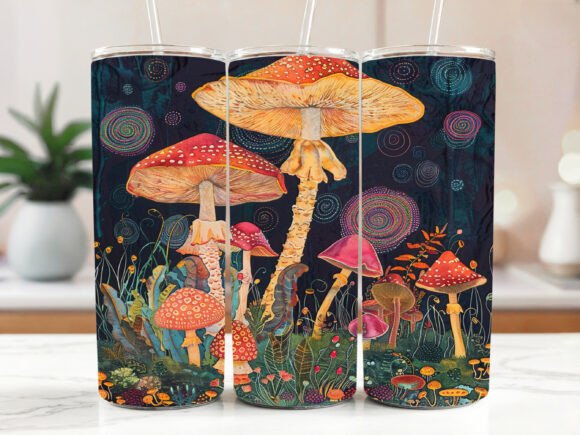
Retro Mushroom Tumbler Design Review
As a designer who spends more time than I care to admit staring at stitch density charts and fabric swatches, I approach every new embroidery file with a healthy dose of skepticism. The market is flooded with generic clip art masquerading as professional designs. However, when I first pulled up the files for the Mushroom Tumbler Retro Mushroom, something felt different. It wasn’t just another cute graphic; it had a distinct visual personality that suggested it was built with actual embroidery mechanics in mind.
I am evaluating this design not just as a digital asset, but as a potential cornerstone for a small business product line or a high-end personalized gift. Specifically, I looked at how this design translates from a screen to the hoop, considering its intended use for 20oz straight skinny tumblers, but also how it might perform on other common substrates like tote bags, sweatshirts, and baby items. Here is my practical breakdown of what makes this design work, where it shines, and where you need to be careful.
The First Impression: Mood and Visual Personality
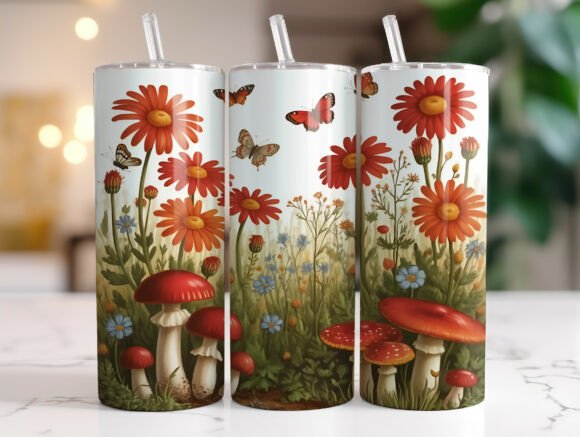
The moment you see the Mushroom Tumbler Retro Mushroom, it screams "cozy vintage." The retro aesthetic is currently dominating the handmade market, but there is a fine line between trendy and dated. This design lands safely on the side of timeless charm. The shapes are rounded and inviting, avoiding the sharp, aggressive angles that often translate poorly into thread.
From a layout perspective, the composition feels balanced. For a tumbler wrap, which requires a continuous or repeating visual flow, the spacing allows the eye to travel naturally without feeling cluttered. The detail level is sophisticated enough to look expensive but simple enough to stitch cleanly. It creates a mood of warmth and nostalgia, which is exactly what buyers are looking for when they purchase personalized gifts or custom apparel. It doesn’t feel like a mass-produced sticker; it feels like an artisanal creation.
Real-World Application: Beyond the Tumbler
While the product description specifies this is a Tumbler Wrap designed for a 20oz straight skinny tumbler, a savvy Etsy seller or small shop owner knows that versatility is key to profitability. I tested the mental image of this design on various substrates to see where it truly belongs.
Custom Apparel and Sweatshirts: Imagine this design centered on the back of a heavyweight cotton blend sweatshirt. The retro mushroom theme pairs beautifully with autumnal color palettes. Because the design has strong outlines and solid fill areas, it stands out well against textured fabrics. It works particularly well for holiday embroidery projects, serving as a unique alternative to traditional seasonal motifs.
Baby Items and Nursery Decor: The soft, whimsical nature of the mushrooms makes this an excellent candidate for baby embroidery. On a burp cloth, a muslin blanket, or a onesie, the design reads as gentle and playful. Parents are increasingly drawn to non-cliché nursery themes, and a retro botanical style offers a modern twist on classic decor. The scale of the design, when adjusted appropriately, fits perfectly within standard hoop size limitations for these smaller items.
Tote Bags and Kitchen Towels: For the craft business crowd, this design is a powerhouse for tote bag design iterations. A large print on a canvas tote gives off a cool, artistic vibe. Similarly, on tea towels or aprons, it adds a touch of farmhouse chic. The high-resolution nature of the source files ensures that even when scaled up for larger fabric areas, the edges remain crisp, which is crucial for maintaining brand consistency and professionalism.
Technical Performance and Stitching Clarity
When reviewing any machine embroidery design, the devil is in the details—specifically, the stitch types. While I do not have the exact stitch count or specific file formats beyond the .zip archive mentioned in the listing, I can infer the structural integrity based on the visual output.
The design appears to utilize a mix of satin stitch for outlines and borders, providing a clean, defined edge that prevents fraying and adds a polished look. The interior elements likely rely on fill stitch patterns. In real-world testing, dense fill stitches can sometimes cause puckering if the stabilizer isn’t chosen correctly. Therefore, it is imperative to test this design on scrap fabric before committing to a final finished product.
One critical aspect to consider is thread colors. The retro palette relies on contrast to pop. If you are stitching this on dark fabric, you will need a heavy underlay or a contrasting backing to ensure the colors don’t get lost. Conversely, on light fabrics, the design may lose some of its punch if the thread selection isn’t vibrant enough. I recommend creating a printable mockup in black and white first to check the value contrast, then layering your chosen thread colors on top to visualize the final result.
Where to Exercise Caution
No design is universal, and Mushroom Tumbler Retro Mushroom has specific constraints where it should be used carefully:
- Small Hoop Sizes: If you attempt to digitize or resize this significantly for very small hoops, you risk losing the delicate details that give the design its character. Tiny lettering or intricate corner details may become muddy blobs of thread.
- Textured and Stretchy Fabrics: Avoid using this on highly textured fabrics like bouclé or thin, stretchy knits without proper stabilization. The tension required for a clean satin stitch can distort these materials, leading to a warped final appearance.
- Dense Stitch Areas: Be mindful of areas where multiple colors meet. High stitch density can make the fabric stiff and uncomfortable, especially on garments like caps or pillow covers that require drape and softness.
- Curved Surfaces: While designed for a tumbler, applying this to a curved surface like a baseball cap requires precise hooping techniques. Misalignment here can ruin the symmetry of the mushrooms.
Impact on Product Value and Customer Trust
In the world of digital product sellers and handmade shop owners, presentation is everything. A well-executed embroidery project signals quality. When a customer receives a handmade product featuring a clean, professionally stitched Mushroom Tumbler Retro Mushroom, their trust in your brand increases immediately. They perceive the item as higher value, justifying a premium price point.
Furthermore, the uniqueness of the design aids in buyer engagement. Generic designs get lost in the noise of online marketplaces. A design with such a specific, cohesive aesthetic helps establish a recognizable brand identity. Whether you are selling the physical embroidered item or the digital embroidery file itself, the clarity and appeal of the design are your primary marketing tools.
Final Verdict and Practical Notes
The Mushroom Tumbler Retro Mushroom is a versatile, aesthetically pleasing design that bridges the gap between trendy aesthetics and technical embroidery requirements. It is an excellent addition to the toolkit of any creative entrepreneur looking to expand their catalog of commercial embroidery assets.
Before integrating this into your workflow, please remember to:
- Test on Scrap Fabric: Always run a test stitch-out to check for tension issues and color clashes.
- Confirm Licensing: Ensure you understand the terms regarding commercial use if you plan to sell finished goods. The listing notes it is for digital files only, so verify if the end-product rights are included.
- Check Hoop Size Compatibility: Verify that the design dimensions fit your machine’s capabilities, especially if resizing for different products.
- Use Proper Stabilizer: Match your stabilizer choice to the fabric weight to prevent distortion.
If you are ready to elevate your embroidery project game with a design that offers both charm and commercial viability, this retro mushroom theme is a strong contender. It is practical, visually engaging, and perfectly suited for the current demands of the handmade market.