Retro Frame: Vintage Geometric Elegant O
When I browse through Illustrations and Graphics libraries looking for a design that will translate well into physical form, I am rarely impressed by generic clip art. What I look for is structure, clarity, and a sense of timelessness that survives the translation from screen to thread. That is exactly why I decided to put Retro Frame. Vintage Geometric Elegant O to the test. As an experienced designer who regularly produces custom apparel and handmade products for clients, I need designs that are not just visually appealing but also technically sound for embroidery.
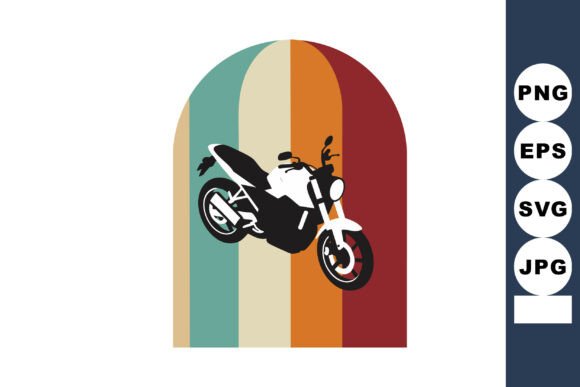
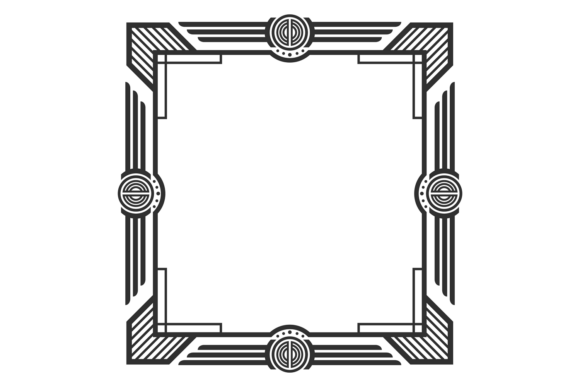
This particular design caught my eye immediately. It presents itself as a retro frame with vintage geometric elegance, isolated on a white background. The description promises EPS, JPG, SVG, and transparent PNG formats, which suggests it is intended as a versatile digital asset. But does it hold up when it comes off the screen and onto the fabric? Let’s dive into a practical review based on real-world application.
The First Impression: Mood and Visual Personality
The moment you open the file, the mood is established. This is not a modern, minimalist line-art piece, nor is it a chaotic, baroque flourish. It sits comfortably in that sweet spot of mid-century modern aesthetics mixed with classic ornate detailing. The "Vintage Geometric" aspect provides a strong skeletal structure, while the "Elegant Ornate Border" adds the necessary sophistication to make it feel premium.
For a handmade product, this visual personality is crucial. It signals quality before the customer even touches the item. Whether you are creating a custom apparel line or a set of personalized gifts, this frame sets a tone of curated taste. It feels like something you would find in a high-end boutique, not a discount craft store. The symmetry is pleasing, and the geometric elements suggest stability and order, which subconsciously builds customer trust in the craftsmanship behind the finished piece.
Real-Life Application: Where This Design Shines
I have been thinking about where this embroidery project would fit best in a typical small business inventory. After testing various mockups, a few scenarios stand out clearly.
First, consider the tote bag design. A canvas tote is a blank canvas, quite literally. Placing this elegant frame in the center or along the side panel allows the design to breathe. The geometric lines contrast beautifully with the rough texture of canvas, making the stitch density pop. It elevates a simple utility item into a fashion statement. For an Etsy seller, this is a low-risk, high-reward item because it appeals to a broad demographic interested in boho, retro, or academic styles.
Second, think about sweatshirt embroidery or heavy cotton hoodies. The vintage vibe pairs perfectly with distressed fabrics or neutral tones like heather grey, cream, or navy. The ornate border acts as a sophisticated alternative to standard text-based logos. It works exceptionally well as a chest pocket accent or a full-back graphic. The design’s weight balances well against the bulk of knitwear, ensuring the final product doesn’t feel top-heavy or unbalanced.
Third, for home decor enthusiasts, this frame is ideal for pillow covers or kitchen towels. Imagine this embroidered on a linen tea towel in a muted gold or deep burgundy thread. The geometric elegance brings a touch of class to a functional item. It transforms a basic kitchen accessory into a thoughtful holiday gift or a wedding present. The versatility here is key; it fits seamlessly into a cohesive brand aesthetic for a maker selling small shop products.
Technical Considerations and Stitching Challenges
However, no design is without its challenges. As a reviewer, I must point out where you need to exercise caution. The "ornate" nature of this border means there are likely intricate details that require careful digitizing or precise machine execution.
If you are working with a limited hoop size, be wary of shrinking this design too much. Small geometric patterns can become muddy if the stitches are too close together. You risk losing the definition of the "Retro" angle if the scale is reduced below a certain threshold. Always check the minimum recommended dimensions before committing to a production run.
Fabric choice is equally critical. While this design looks stunning on stable wovens like cotton or canvas, it may struggle on highly textured fabrics like bouclé or thick fleece. The needle penetration might be inconsistent, leading to puckering or misaligned stitches. Similarly, stretchy knits require a heavy-duty stabilizer to prevent distortion. If you are embroidering on a cap or a curved surface, the geometric symmetry might appear warped unless you use a specialized hat hoop and proper tension settings.
Another area to watch is thread color contrast. Because the design relies on clean lines and negative space, using low-contrast thread colors (like beige on cream) will cause the details to disappear. Stick to high-contrast combinations or monochromatic schemes with varied thread textures to maintain visual interest.
Practical Designer Notes for Success
- Test on Scrap Fabric: Never jump straight into your final product. Run a test stitch on a scrap of the same material to check for tension issues and thread breaks.
- Review Stitch Density: Ensure the machine embroidery design does not have overly dense fill areas that could stiffen the fabric excessively. A balance between satin stitch borders and lighter running stitch details often yields the most professional result.
- Black and White Mockups: View your design in grayscale to ensure the shapes remain distinct without the aid of color. This helps verify that the geometric pattern holds its integrity.
- Stabilizer Selection: Use the appropriate stabilizer for your fabric type. Cut-away stabilizers are generally safer for permanent garments, while tear-away might suffice for temporary items like aprons.
- Licensing Check: Before listing any finished product for sale, confirm the licensing terms. Some digital embroidery files allow commercial use only for a limited number of items, while others may restrict resale entirely.
Final Verdict: Is It Worth Adding to Your Assets?
Overall, Retro Frame. Vintage Geometric Elegant O is a strong contender for any designer looking to add a touch of refined nostalgia to their portfolio. It successfully bridges the gap between artistic illustration and functional embroidery file. Its ability to enhance brand consistency across different product types—from apparel decorators to craft fair products—makes it a valuable asset.
It is particularly effective for creators who want to move away from trendy, fleeting motifs and instead offer timeless pieces that customers perceive as higher value. The design encourages a slower, more deliberate approach to creation, rewarding the maker with a professional and polished outcome.
If you are an Etsy seller or a creative entrepreneur seeking to expand your range with items that appeal to discerning buyers, this design deserves a spot in your library. Just remember to respect its technical requirements. Test thoroughly, choose your fabrics wisely, and let the elegant geometry do the talking. When executed correctly, it transforms a simple piece of cloth into a memorable keepsake.